
Finding the Problem
Since all the monitors were in the same environment, the difference stood out immediately. I suspected something physical was affecting the sensor's performance.
On closer inspection, I found the culprit — a spider web on the sensor exhaust. While most people focus on keeping the air intake clear, the exhaust is just as important. A blockage there can disturb airflow through the sensor's measurement chamber, leading to inaccurate readings.
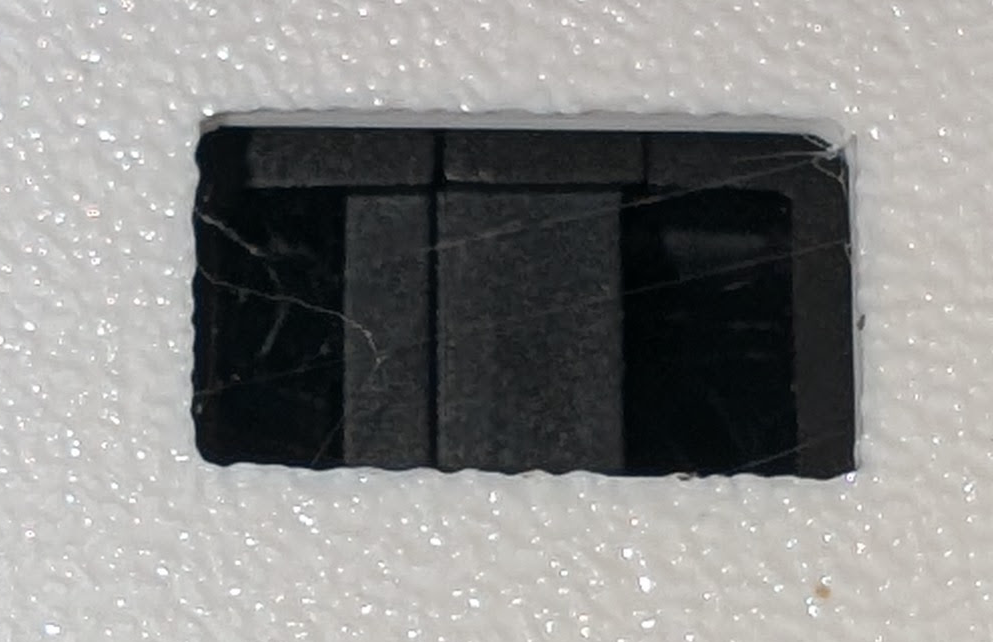
Spider web blocking the sensor exhaust
The Fix
A quick blast of compressed air was all it took to clear the web. After reconnecting the sensor, the readings quickly matched those of the other monitors in the area.
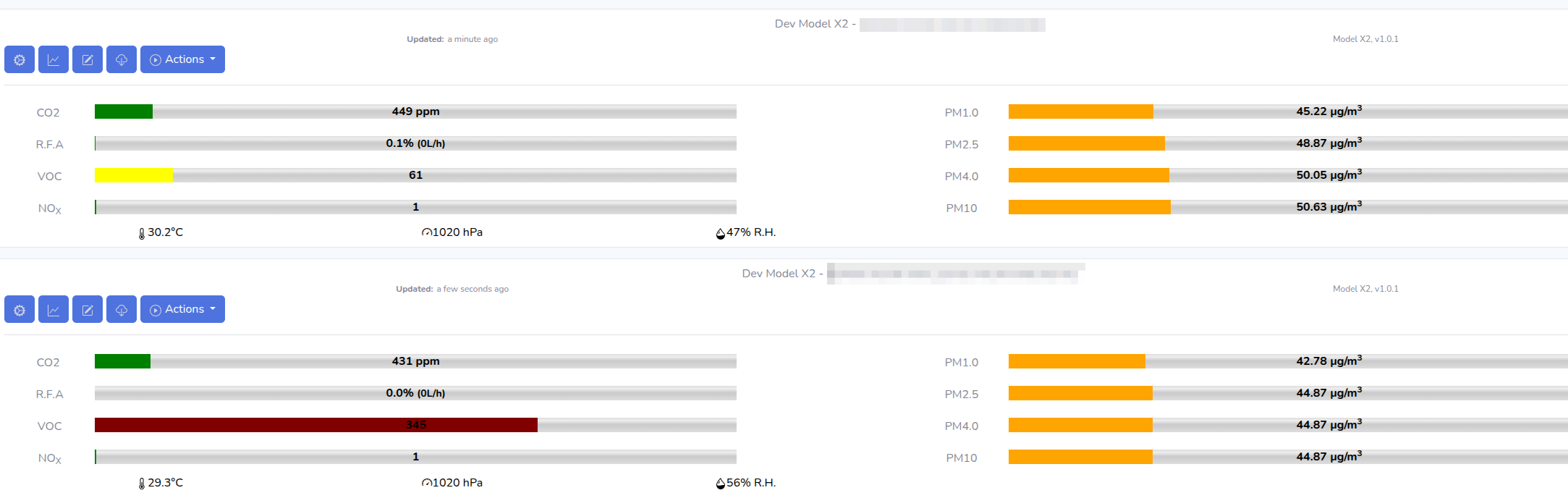
Sensor readings after cleaning - now matching other monitors
Why This Matters
Particle sensors work by moving air through a sensing chamber. Any restriction — whether on the intake or the exhaust — can compromise the flow and skew the data. Outdoors, insects, dust, pollen, and other debris are all potential culprits.
A Smarter Design for Easier Maintenance
The newly redesigned Model X2 now features removable protective mesh parts. These prevent bugs and larger debris from entering while allowing the necessary airflow. Better yet, they can be removed easily for cleaning — meaning less downtime and more accurate data.
Tips for Keeping Your Outdoor Sensor Accurate
- Inspect both intake and exhaust: Blockages on either end can cause issues.
- Clean gently: Use compressed air or a soft brush. Avoid direct contact with internal components.
- Cross-check data: Compare readings with other sensors nearby to spot anomalies early.
Regular maintenance is a small effort that pays off with accurate, reliable air quality data — and helps you get the most from your investment.
Maintenance Tip
When cleaning your outdoor sensor, always disconnect it from power first. Use compressed air at a safe distance to avoid damaging sensitive components. Never use liquids or harsh chemicals on the sensor housing.