The Pandemic's Wake-Up Call
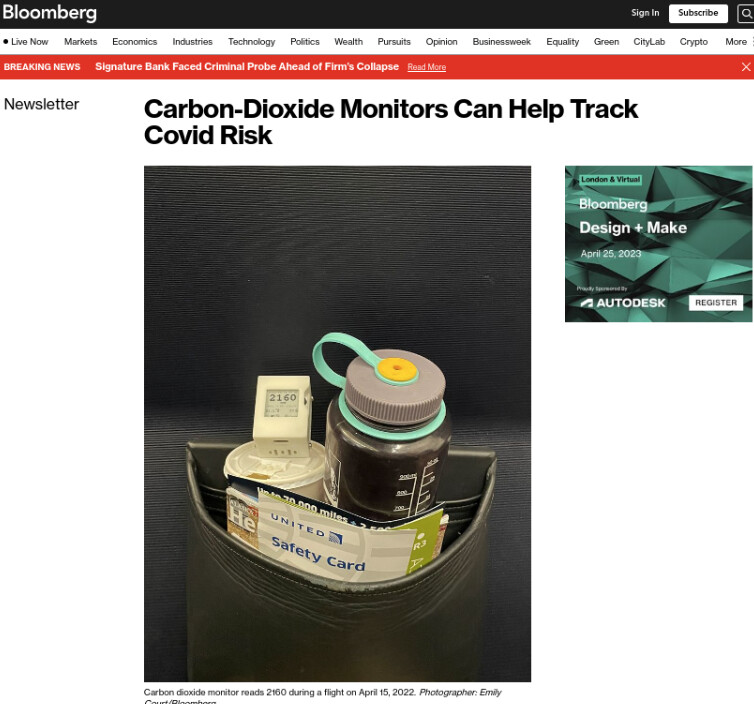
The COVID-19 pandemic fundamentally changed how we think about indoor air quality and public health. As the world grappled with a novel virus that spread primarily through airborne transmission, attention turned to the invisible threat lurking in our indoor spaces. Carbon dioxide (CO₂) monitors emerged as unexpected heroes in this global health crisis, providing a simple yet powerful tool to assess ventilation effectiveness and potential virus transmission risk.
Understanding the CO₂-Virus Connection
The Science Behind the Monitoring
While CO₂ itself doesn't cause COVID-19, it serves as an excellent proxy for indoor air quality and ventilation effectiveness. Here's why:
- Human Respiration: People exhale CO₂ with every breath, making it a direct indicator of occupancy and exhalation in enclosed spaces
- Ventilation Indicator: High CO₂ levels indicate poor ventilation, which means exhaled air (potentially containing virus particles) is not being adequately diluted or removed
- Accumulation Pattern: Both CO₂ and respiratory viruses accumulate in poorly ventilated spaces, making CO₂ a reliable marker for potential viral concentration
Key Insight
During the pandemic, public health experts discovered that CO₂ levels above 800-1000 ppm often indicated inadequate ventilation that could increase the risk of airborne virus transmission.
The Bloomberg Report Impact
Bloomberg's coverage of CO₂ monitoring during the pandemic brought this technology to mainstream attention. Their reporting highlighted several critical findings:
- School Safety: CO₂ monitors helped schools identify classrooms with poor ventilation, allowing for targeted improvements
- Workplace Protection: Offices used CO₂ monitoring to optimize HVAC systems and reduce transmission risk
- Public Space Management: Restaurants, gyms, and other public venues implemented CO₂ monitoring as part of their safety protocols
- Policy Influence: The data from CO₂ monitoring informed public health guidelines and building codes
Real-World Applications During the Pandemic
Educational Institutions
Schools worldwide faced the challenge of maintaining in-person education while minimizing COVID-19 transmission risk. CO₂ monitors became essential tools:
- Classroom Assessment: Teachers and administrators could quickly identify which classrooms needed better ventilation
- Operational Decisions: Real-time CO₂ data informed decisions about opening windows, adjusting HVAC systems, or relocating activities
- Parental Reassurance: Schools could demonstrate their commitment to air quality and student safety
- Cost-Effective Solution: Compared to expensive air quality testing, CO₂ monitors provided continuous, affordable monitoring
Healthcare Facilities
Hospitals and clinics, already focused on infection control, found CO₂ monitoring valuable for:
- Waiting Room Management: Monitoring patient and visitor density in waiting areas
- Staff Safety: Ensuring adequate ventilation in staff break rooms and common areas
- Procedure Room Optimization: Verifying ventilation effectiveness in treatment areas
- Resource Allocation: Prioritizing ventilation improvements in high-risk areas
Commercial and Public Spaces
Businesses and public venues implemented CO₂ monitoring as part of their safety protocols:
- Restaurant Safety: Monitoring dining areas to ensure proper ventilation between customer groups
- Gym and Fitness Centers: Managing occupancy and ventilation during high-intensity activities
- Office Buildings: Optimizing HVAC systems for employee safety and comfort
- Public Transportation: Assessing ventilation effectiveness in buses, trains, and stations
Lessons Learned and Lasting Impact
Public Health Awareness
The pandemic significantly increased public awareness of indoor air quality:
- Education Campaigns: Health departments and organizations launched campaigns to educate the public about CO₂ monitoring
- Media Coverage: Extensive coverage in outlets like Bloomberg brought the technology to mainstream attention
- Community Action: Parents, teachers, and community groups advocated for better indoor air quality in public spaces
- Policy Changes: Many jurisdictions updated building codes and health guidelines to include air quality monitoring
Technological Advancements
The surge in demand for CO₂ monitoring drove significant technological improvements:
- Cost Reduction: Mass production and increased competition made CO₂ monitors more affordable
- Improved Accuracy: Manufacturers enhanced sensor technology for better reliability
- Smart Integration: Development of connected devices that integrate with building management systems
- User-Friendly Design: More intuitive interfaces and clearer visual indicators for non-expert users
Post-Pandemic Applications
While the pandemic brought CO₂ monitoring to prominence, the technology's value extends far beyond COVID-19 prevention:
Enhanced Building Management
- Energy Efficiency: Demand-controlled ventilation based on occupancy and CO₂ levels
- Occupant Comfort: Maintaining optimal indoor air quality for health and productivity
- Compliance Monitoring: Meeting increasingly stringent indoor air quality standards
- Preventive Maintenance: Early detection of HVAC system issues
Health and Wellness Focus
- Cognitive Performance: Maintaining CO₂ levels that support optimal brain function
- Respiratory Health: Reducing exposure to poor air quality that can exacerbate asthma and other conditions
- Sleep Quality: Monitoring bedroom air quality for better rest
- Long-term Health: Reducing chronic exposure to poor indoor air quality
Future Implications
The lessons learned from the pandemic's use of CO₂ monitoring will shape future approaches to indoor air quality:
Building Standards and Codes
Expect to see:
- Mandatory Monitoring: Requirements for CO₂ monitoring in schools, healthcare facilities, and public buildings
- Integration with Building Codes: Updated standards that incorporate real-time air quality monitoring
- Performance-Based Standards: Focus on actual indoor air quality rather than just ventilation rates
- Smart Building Integration: Seamless integration of air quality monitoring with building automation systems
Public Health Preparedness
The infrastructure and awareness developed during the pandemic provide a foundation for future public health responses:
- Early Warning Systems: CO₂ monitoring as part of broader environmental health surveillance
- Rapid Response Capability: Pre-existing monitoring networks that can be activated during health emergencies
- Public Education: An informed public that understands the importance of indoor air quality
- Health Equity: Focus on ensuring all communities have access to good indoor air quality
Conclusion
The Bloomberg coverage of CO₂ monitoring during the COVID-19 pandemic highlighted a critical intersection of technology, public health, and environmental awareness. What began as an emergency response tool has evolved into a cornerstone of modern building management and public health strategy.
The pandemic taught us that the air we breathe indoors is not just a matter of comfort—it's a fundamental aspect of health, safety, and well-being. CO₂ monitoring, once a niche technology, has become an essential tool for creating healthier, safer, and more efficient indoor environments.
As we move forward, the lessons learned from this global health crisis will continue to shape how we design, operate, and inhabit our indoor spaces. The integration of air quality monitoring into our daily lives represents a lasting legacy of our collective response to the pandemic—one that promises to make our buildings healthier and our communities more resilient.
Key Takeaway
The pandemic demonstrated that CO₂ monitoring is not just a temporary solution for COVID-19, but an essential component of modern building management and public health infrastructure. The awareness and technology developed during this crisis will continue to improve indoor air quality and public health for years to come.